

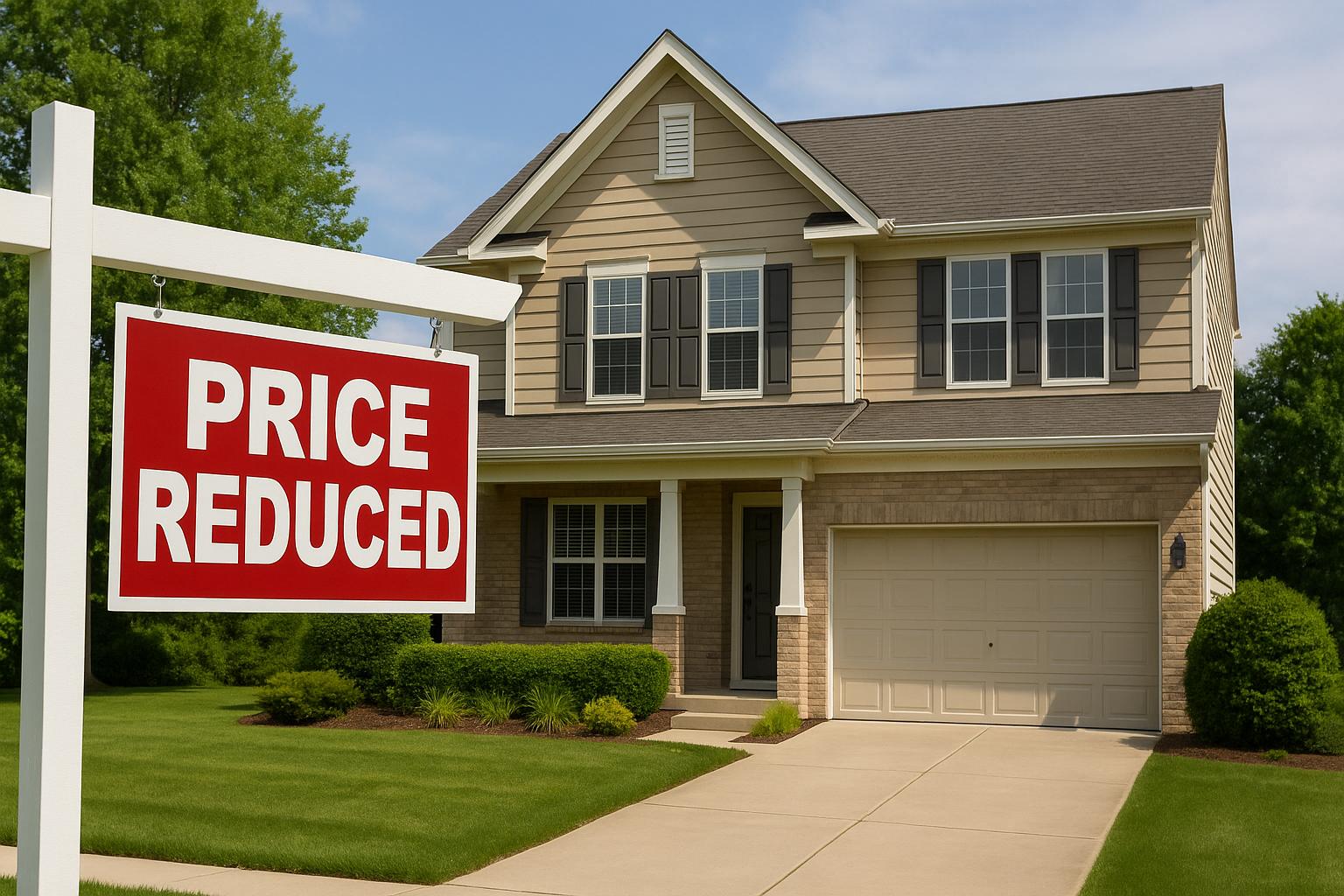
If you have noticed more “For Sale” signs staying up longer throughout San Antonio, you are not imagining it. Some homes are taking longer to sell in 2026 because the market has become more balanced. Buyers have more properties to choose from, and many are taking additional time to compare prices, locations, monthly payments and overall condition before submitting an offer.
Higher mortgage rates are one of the biggest factors affecting buyer decisions. Even when a home’s asking price appears reasonable, the estimated monthly payment may be higher than a buyer expected once interest rates, property taxes, homeowners insurance and HOA fees are included. Because affordability remains a concern, buyers are paying closer attention to the total cost of owning a home—not just the listing price.
Sellers are also competing with San Antonio’s growing supply of new-construction homes. Many builders offer incentives such as interest-rate buydowns, closing-cost assistance, appliance packages and other upgrades. A resale home may have a better location, a larger lot or more character, but buyers will still compare it with the builder’s incentives and projected monthly payment. Resale sellers must make sure their homes are priced and presented in a way that clearly communicates their value.
Pricing remains one of the most important reasons a home may sit on the market. Some sellers base their asking price on what a neighbor received during a stronger seller’s market or on an online home-value estimate. However, buyers and appraisers rely heavily on recent comparable sales and current competition. A home that enters the market overpriced may receive fewer showings, remain active longer and eventually require one or more price reductions.
Condition and presentation also matter. When buyers have more options, they are less willing to overlook stained carpet, dated paint, unfinished repairs, clutter or poor listing photography. Sellers do not necessarily need to complete a major renovation, but addressing visible maintenance concerns, improving curb appeal and preparing the home for professional photography can make a meaningful difference.
Location-specific factors can also affect selling time. Real estate conditions are not identical across San Antonio. Demand, inventory and pricing can vary significantly between neighborhoods such as Stone Oak, Alamo Ranch, Helotes, Tobin Hill, the Medical Center and the Far West Side. Even two homes with similar square footage can perform differently based on the school district, commute, property taxes, HOA fees, lot size and nearby new development.
A longer time on the market does not necessarily mean a home cannot sell. It may simply indicate that the pricing or marketing strategy needs to be adjusted. Sellers may consider improving the property’s presentation, correcting deferred maintenance, offering closing-cost assistance or helping a buyer obtain a mortgage-rate buydown. The right incentive can sometimes be more valuable to a buyer than a comparable reduction in the sales price.
Homes that are well maintained, accurately priced and marketed professionally are still selling in San Antonio. The difference in 2026 is that sellers must be more strategic from the beginning. Understanding the competition, reviewing buyer feedback and responding quickly to market conditions can prevent a listing from becoming stale.
Before listing your home, work with an experienced San Antonio real estate professional who can evaluate recent neighborhood sales, active competition and current buyer behavior. The goal is not simply to place your home on the market—it is to position it correctly so that qualified buyers recognize its value.
San Antonio Market in a Minute: